Working it out

Jules at Work
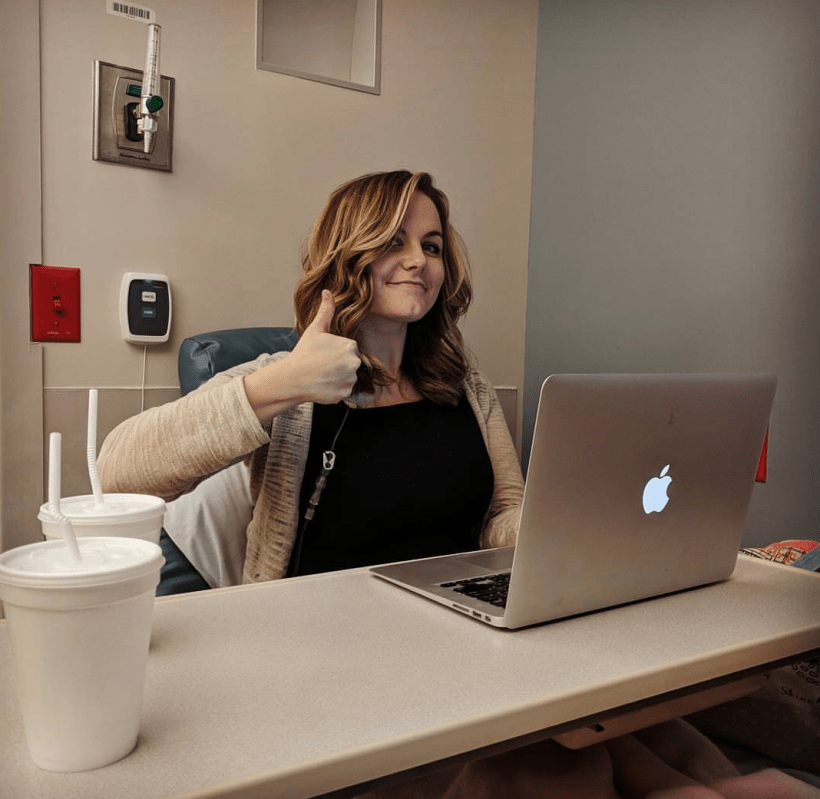
Thank goodness for these little sliding desks at JHH. Clearly, I’m not the only one who has done this.

The last time I was treated for my cancer, I was not working, which for me was kind of a torture in and of itself. I’m the kind of person who likes to have a bunch of plates spinning. I learn and thrive in the doing of things. To give you a clearer picture, I went from completing two degrees, producing concerts, and working as a part-time agent for folks in NY and LA, to studying for the California bar exam and preparing to move to LA to start my career there and planning a wedding, to nothing– nothing but surgery recovery, chemo, and reflection on the worst news of my life.

Receiving a cancer diagnosis sent all my spinning plates, professional and personal, crashing to the ground. During treatment, I was more or less told to sit and stare at the broken pieces. It was painful– necessary, but painful nonetheless.

I am grateful for the time I had to reflect on my situation. It was a huge adjustment. But this time, even though going into treatment the second time around is a little defeating in and of itself (as anyone who has experienced recurrence can probably tell you) I am excited to be working through treatment. It represents a shift for me and the way I relate to my cancer that I feel is important: I call it the “you don’t own me” shift. I’m choosing to treat my cancer as a chronic condition rather than a life-limiting disability for as long as humanly possible.

giphy1
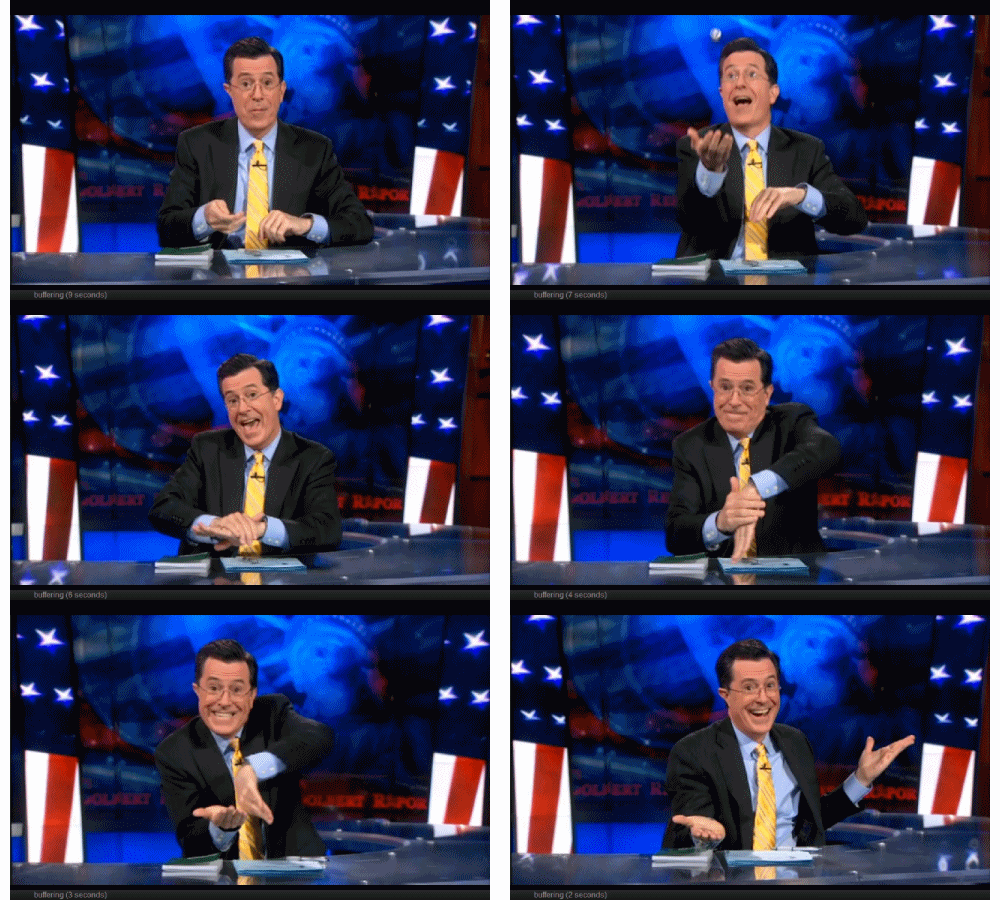
And if you think I don’t do this dance while thinking about that shift, you are wrong.


Now, I won’t tell you it’s a walk in the park. Having done both in past six months, I can say with some authority that it’s at least twice as hard to work during treatment than it is to work off of it. On days when my short term memory is bad or I’m sleep-deprived due to steroids, I have to triple check my emails before I send them and even then, mistakes happen.  It takes considerably more time and effort to get through my to-do list by 5:30 PM, and even more effort to unplug from my inner perfectionist (and my laptop) and remind myself that my work-life balance is up to me.


Adding to the uncertainty of any 24 hours is the unknown factor. I’m on a clinical trial, which means that if my research team calls and says they need me to come in for blood work the next day or come in for a scan an hour earlier on the same day– both things that have happened to me so far on this trial– I really can’t say no. I also can’t miss the call because it will take me a half hour to get through to the right person again and all of this happens during work hours. All of that is to say that my autonomy in creating and sticking to a schedule is not what I’d like it to be. Recently, my infusion days were switched to a day earlier, which means every other Friday, I will be working through extreme chemo fatigue. Nothing I can do about that– it’s just the way it goes.

I have found that occasionally, I can make requests of my physicians and be my own advocate for work-life-treatment balance. I remind them that I’m working and ask if I can take steroids on those post-chemo days I have to work through or if we can push an appointment later so I can get a solid half day of work in before infusions start. Sometimes, we can find compromises. Sometimes, there are hard lines. But asking the questions helps sort out which is which and give me back a modicum of control.

a999adfe26ebc81a94754b364c4881b077ae695bd220d1a963142ef521df008b.jpg
Hooray for small victories!

Still, working through treatment is an adjustment and a moving target. What worked this round might not work the next round, and constantly reassessing what I am capable of is part of the game. For now, I’m taking it as it comes, trying to be as honest as possible with myself and colleagues about what I can handle, and trying to find that line of leaning on folks without burdening them: a line many cancer patients– working or not– know well.

And I am learning the hardest lesson, which is to slow down and give myself a break. I know what I can do at 100% capacity, but this is not a 100% capacity time in my life (which is especially frustrating as a young adult who would very much like to prove their professional worth, but that’s a different story for a different blog). That doesn’t mean I can’t give it all the capacity I do have, I just need to pay attention to what that capacity is.

It’s an exercise in fortitude, frustration, and humility, but one I am willing to take on. I am treating my cancer as a chronic illness, not the life-breaking beast it was to me two and half years ago. I tried to live outside of the “cancer bubble” for the 6 months I was NED and when I recurred, I had to face some unpleasant facts: I’m a stage four cancer survivor and I’m already living past the normal life expectancy for my diagnosis. I can choose to see that as a scary, unknowable ticking clock of borrowed time, or I can choose to see it as time that I get to make the most of.  I choose the latter.


Fighting for policies that improve the lives of cancer patients and spending time with the people who matter most to me doing things that bring us joy and fulfillment is how I’m doing that. And if I have to work twice as hard to do it, then let’s send that plate spinning.

Today, I can handle it.

giphy2


Here goes everything

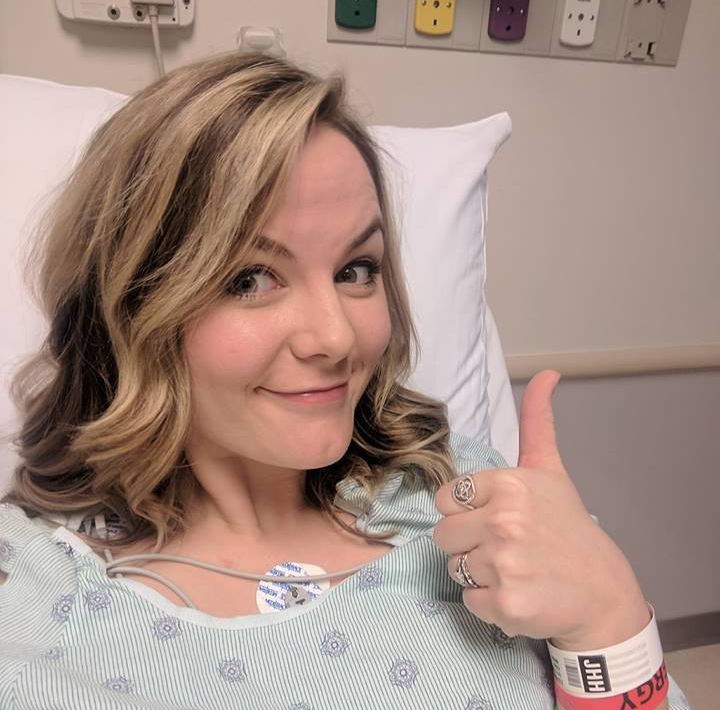
My brain works on worst-case scenarios. I don’t know whether that’s my training as a contract attorney or whether it’s my instinct as someone diagnosed with stage IV cancer in their mid-twenties, but it is what it is. And never has that nihilistic demon kicked harder than on day one of my clinical trial when I took my first dose of an experimental cancer drug. Shadowy fears of liver failure, heart attack, and a whole host of hypochondriac nightmares populated my brain staring down at the nondescript dark gray capsules. And I will admit, I had to live in a temporary fantasy that this was completely safe and normal in order to get them down. The smiling faces of the nurse, my husband, and my mom helped a lot in that regard.

this is fine.jpg
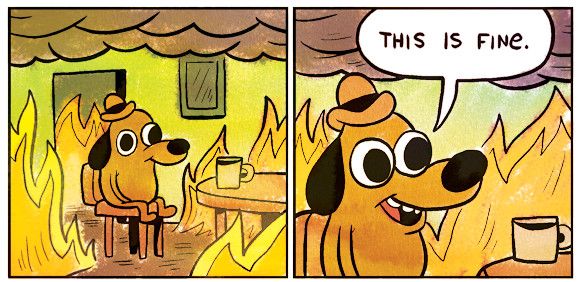
You know, sometimes I resent how much I relate to this picture.

I recognize that my worst-case scenario brain is a manifestation of anxiety, but I cannot help thinking that such anxiety is, well, completely rational. After all, my worst-case scenario came true: I lost my career, my ability to become a mother, and my likelihood of survival on the evening of July 25th, 2015. Couple those horrible blows with the fact I’ve never won a coin toss in my life, and it’s hard not to think of myself as chronically and critically unlucky. So why then would I enter into a trial, in which I’m leaving my survival and physical well-being up to chance? (Ok yes, also quite a bit of science, but still a healthy dose of “meh, we’ll see.”) I have a few important reasons and I think of them every time I take those pills. I figured they might be worth sharing.

Research is the only way forward. I’m not saying that because I think of myself as a martyr in this situation, but generally speaking, we don’t get anywhere if people aren’t willing to lay it on the line. We need to research experimental treatments to find out what works, what doesn’t, and most importantly why. If the treatment works for me, or even if it doesn’t, we will know more than we did before the trial started. That knowledge is powerful and has the potential to help every single member of the colorectal cancer community. Being part of that community has shown me the value and importance of such knowledge. My fight is important, but the fight is bigger than me, and I need to make my fight count in the overall effort to beat this beast. Also, standard of care treatments for my particular kind of cancer are not going to cure me. They may hold it at bay, but the quality of life sacrifices I’d have to make merely delaying the inevitable are unacceptable to me, so if I’m going to go down I’d rather go down swinging. That’s just how I do.

57bad8a61700003600c749d6
Spirit animal.

I’ve got some serious muscle on my side, and by muscle, I mean brains. I work at a colorectal cancer advocacy organization and because of that, I have met some truly incredible human beings. Through my amazing colleagues and community, I have been able to discuss my disease and treatment with countless authorities on the topic: researchers, oncologists, sophisticated patients and caregivers, advocates, community leaders, and many more. Early on in my cancer experience, someone very wise told me you have build a good team and you need to be the quarterback. Calling the shots never gets less scary knowing what’s on the line, but I have so much faith in my team and that makes all the difference.

Luck is how you look at it. It’s true that my expectations for how my life would turn out shattered like a florescent light tube after my diagnosis, but the pendulum eventually swung back and in all honesty, I’m grateful. I lost my career, but I found a new one in a place that I love and in a community that I wouldn’t trade for all the bright light and shining stars of Hollywood. I lost my ability to have my own biological children, but I’ve forged bonds with family and friends that are truly unbreakable. Strangers became friends, friends became family, and family became the unshakable foundation of my personal strength. And I still haven’t given up hope that one day I will find my path to motherhood, even if it looks different than I imagined. That dream is one of many that fuels my fight. And as far as survival goes, I’ve stopped defining having a long life as necessary to having a good one. I consciously spend my days doing things I enjoy and believe in with people I love and admire. Not everybody gets to do that, so I suppose I am lucky after all. Still working on the coin tosses, though.

Coin-Toss.gif
Totally counts.


So no matter if this trial goes well and I live to fight for better policies and more research dollars in the halls of Congress, or if it goes poorly, and I’m fighting for additional weeks or days at a time, my fight will always be a good fight and it will count for something. If you ask me, that’s not a bad worst-case scenario.